|
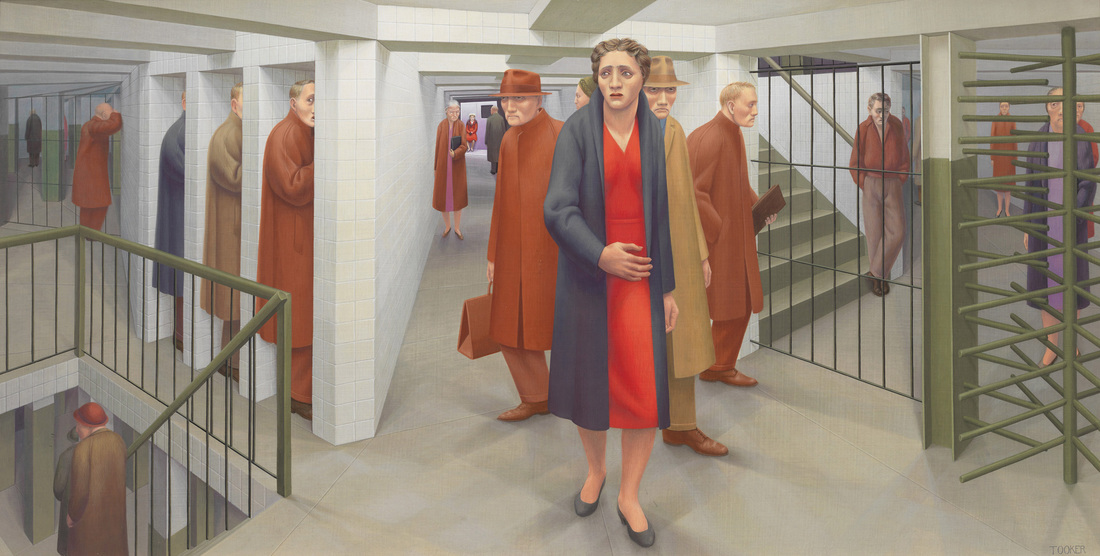
I am poor company in art galleries. I much prefer powering through alone and stopping only when a canvas arrests me. I have previously written about the effect encountering The Subway (1950) by George Tooker had on me in New York. I had a similar experience on seeing this painting of The Last Supper in Bruges. The artist is Gustave Van de Woestijne (1881–1947), a Belgian expressionist painter. He entered the Benedictine order in Leuven in 1905, but quickly sensed that monastic life was not for him and left after four weeks. Maybe their pre-admission preparation was not up to the mark.
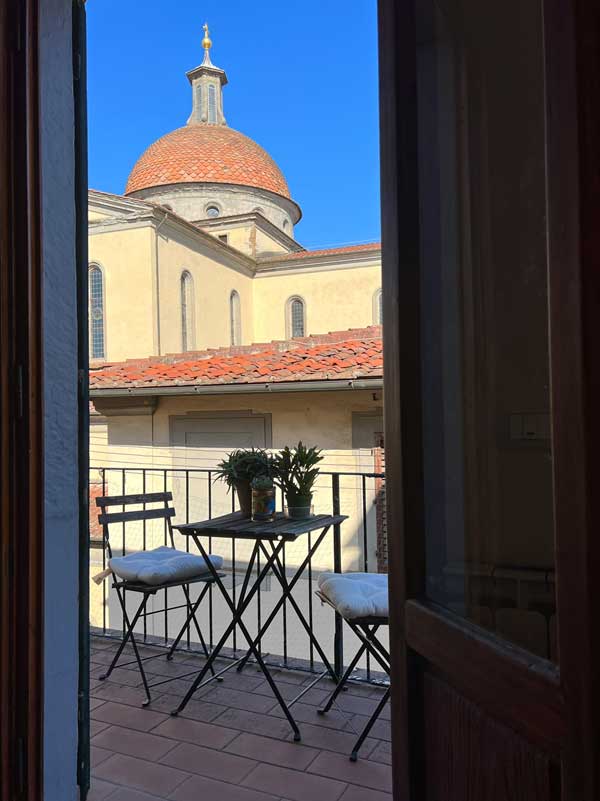
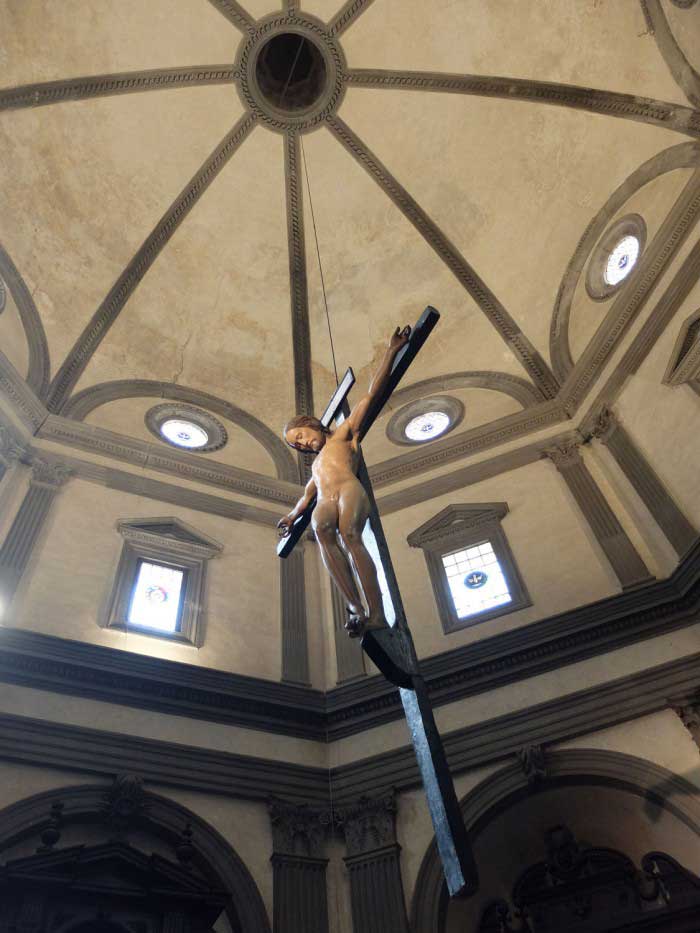
He remained a Christian. An expression of this is seen in this monumental portrayal of the Last Supper. And through it he expresses a criticism of convential artistic piety: "Away with this saccharine, stultifying, strait-laced religious art! We’ve had enough of it, and our Catholic Church is already crammed full of all kinds of such bland stuff. […] I am neither edified nor affected when I enter our churches and look at the modern ornaments, statues or paintings, on the contrary, I have the urge to curse". His style was considered blasphemous by some. An encouraging sign. Fortunately, he found support from the van Buurens, Brussels art collectors who bought many of his works and, in 1927, sponsored a trip to Florence that allowed him to study fresco art. This canvas reflects his interest in fresco painting and his quest for modern religious art. Why does it strike me so? For a start, it is not mannered or pretty. No halos or pious expressions. No looking up, heavenwards. The proportions of the canvas (taller than it is wide) requires that the disciples huddle close. Something important is happening - draw near. There is no iconography, just the essentials: wine and a loaf of bread. And the bread is an ordinary loaf, no delicate host. It belongs in the ordinary transaction of heavenly realities. The apostles depicted here could be miners or labourers or fishermen. Hairstyles are those of the 1920s, pitch black, neatly combed. There is a sad solemnity in their grave faces. Jesus’ passion happens every day again. Jesus’ hair and beard are red, along with the wine and along with the hair of the figure on the lower left. Judas, maybe? Jesus looks towards him. Van De Woestijne's picture has no extras, only the essentials - table, people, bread, wine - needed to depict the Last Supper. These betoken solidarity (God with us), tragedy, longing, love. The building bricks of our human adventure. We maybe chose the hottest time to visit Florence. I'm not built for heat. That aside, it was a memorable trip. A full two weeks allowed unhurried sightseeing, in Florence and beyond. We stayed in a flat at St Mark's English Church: no air-con, and 99 steps to reach it. The reward was this balcony (right) and its view of the church of Santo Spirito, designed by Brunelleschi and begun in 1428. Our days were bookended by it's bells. To my ear there is something wonderful about the slightly discordant and chaotic sound of continental church bells that makes English ringing sound like a corseted aunt. This church houses something that, of all the artefacts I saw on our trip, made the greatest impression: a crucifix believed to have been carved by a 17 year-old Michelangelo. The story is that he was allowed to make anatomical studies on the corpses coming from the convent's hospital; in exchange, he sculpted this which was placed over the high altar. It was thought to be lost, then resurfaced in the early 1960s, heavily overpainted. Today, cleaned up and restored, it hangs, suspended in mid-air in the octagonal sacristy off the west aisle of the church. I met Chris in 2005. We were attending a forum of Clerks and Directors of endowed London charities. We each found the occasion uninspiring, rather Dickensian in tone. We began our own group, just the two of us, and met every few months to discuss work, life, and the universe.
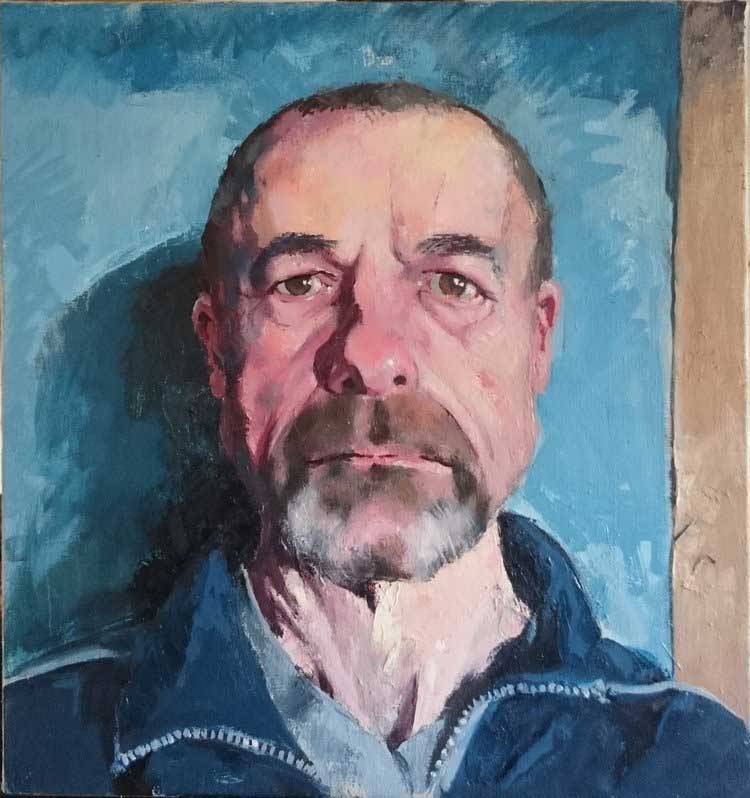
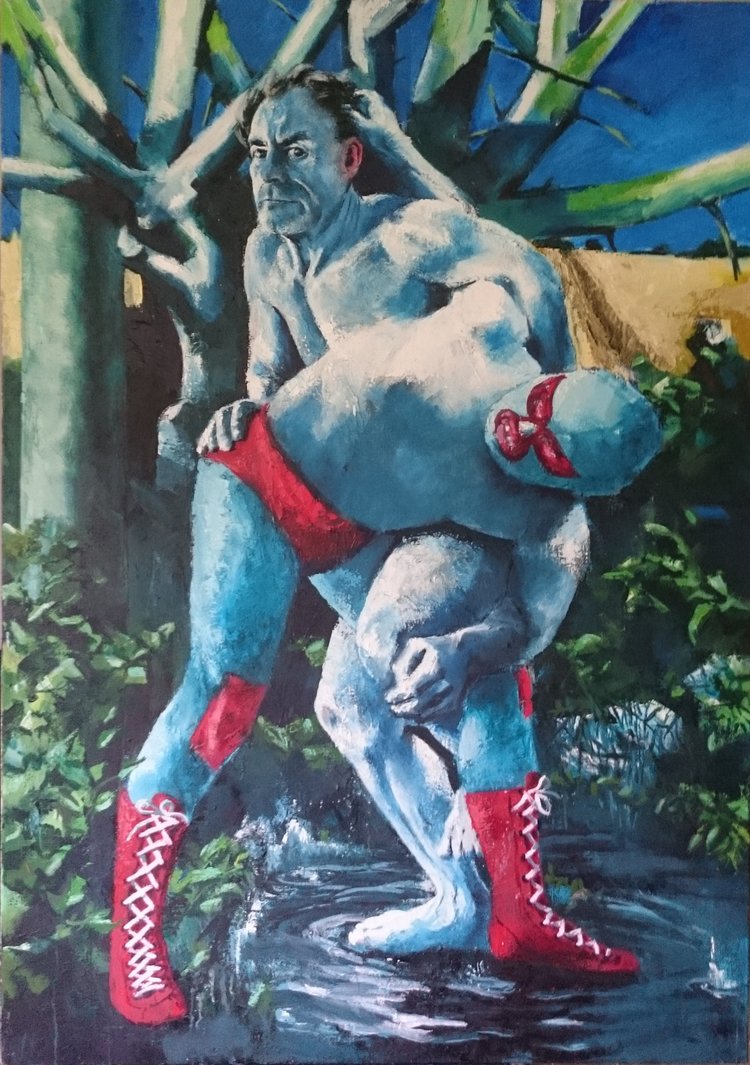
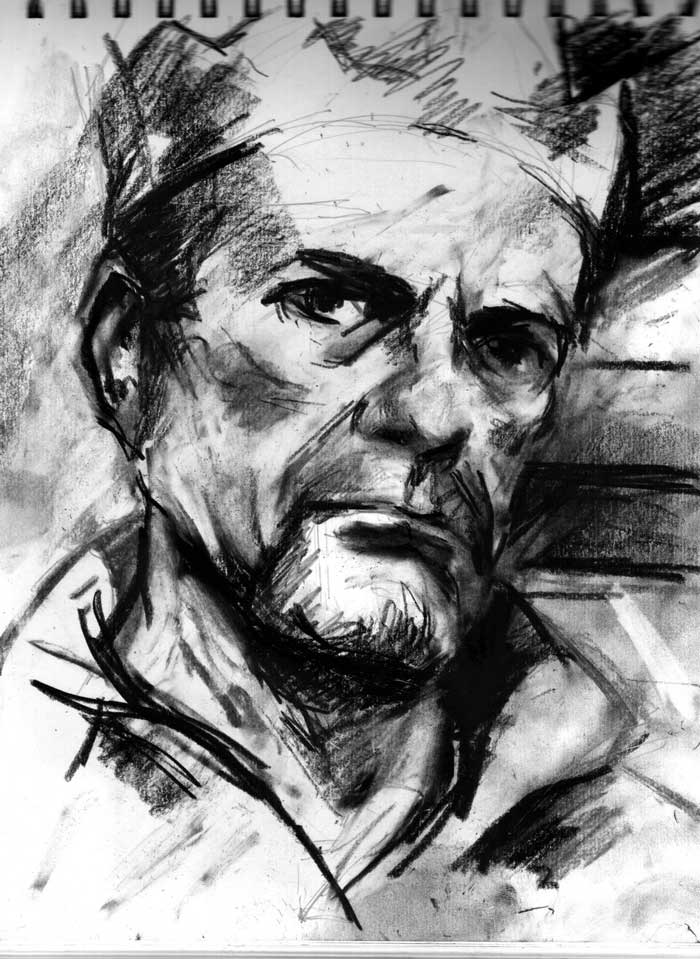
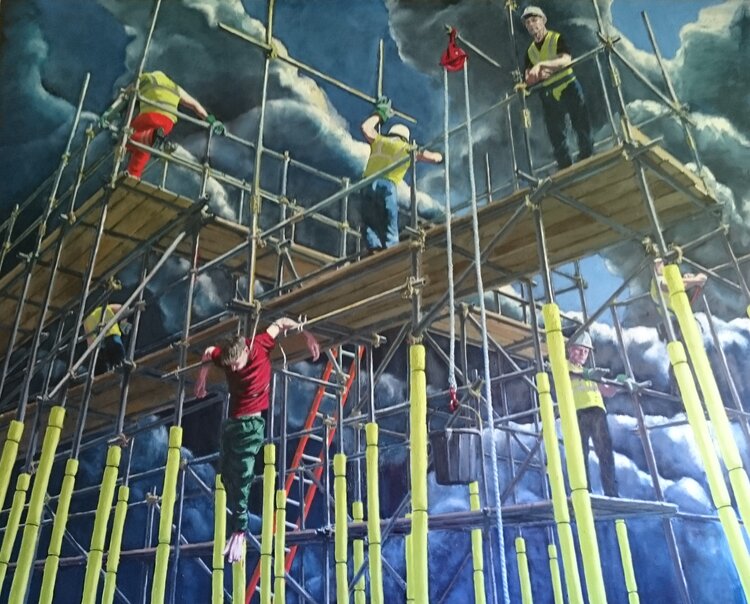
Chris held firm views and liked an argument. In the early days, I found this hard work. But we soon became friends, shared ideas about how our respective foundations might effectively help those who were held back by material poverty, and talked about much else besides. We were both Northerners and the same age, save for three weeks. We had both worked in local government, and each had some direct experience of the lack of opportunity we now sought to address for others through the foundations we worked for. I admired his thinking and focus, and his skill as an artist. His art, I pointed out to him, often addressed metaphysical matters that his rational mind liked to dismiss - themes such as identity, meaning, loss, heroism and sacrifice . He only half accepted that. He was more sensitive than he sometimes let on. His was a sharp and purposeful mind in a sector where sometimes sentimentality appears to reign. I valued that, and his friendship. His sudden death is a great loss. Below are images from his website (click images to enlarge). It is typical of his ironic approach to include his Chain Saw Proficiency certificate... I am not good company in art galleries. The majority of pictures do not impress or detain me. I have no interest in chit chat about the exhibits. But from time to time a work or image stops me in my tracks. This was one such, encountered last week in the new Whitney Museum of American Art in New York. The Subway (1950) by George Tooker. I did not know of the artist and have since enjoyed discovering more. It is said that he responded to and portrayed modern day alienation and anxiety. He does it brilliantly, and menacingly. He died aged 90 in 2011.
|
Categories
All
Archives
December 2025
Sites I keep an eye on
Beaker Folk A Contemporary Spirituality Mother Pelican Feral Spirituality The worker priest |